
-
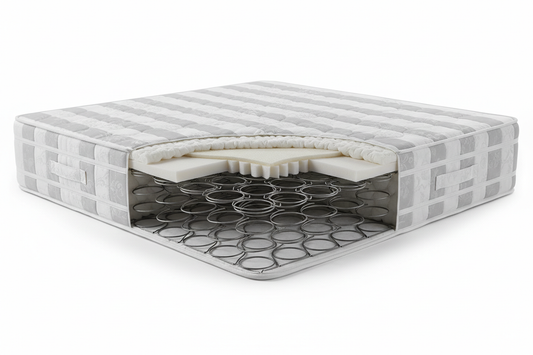
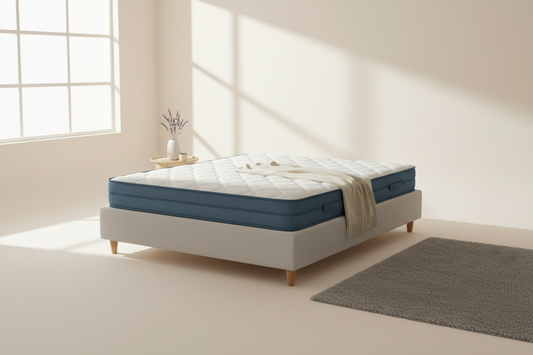
Novera Open Coil Spring Mattress
Regular price From £159.00 GBPRegular price£179.00 GBPSale price From £159.00 GBPSale -
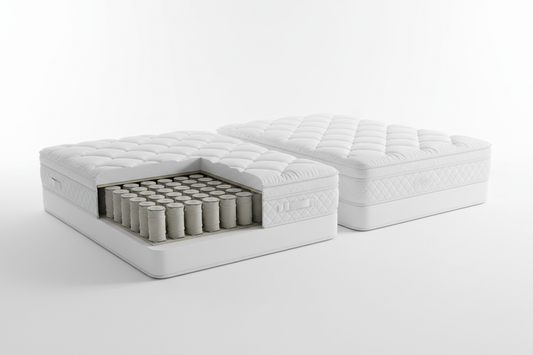
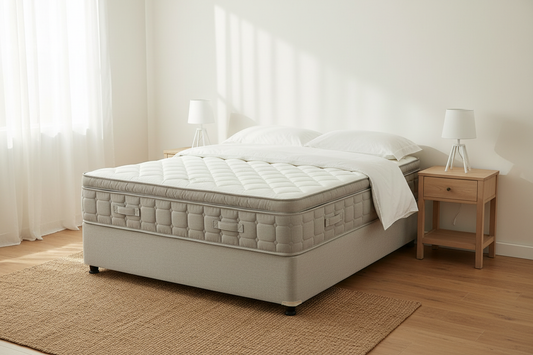
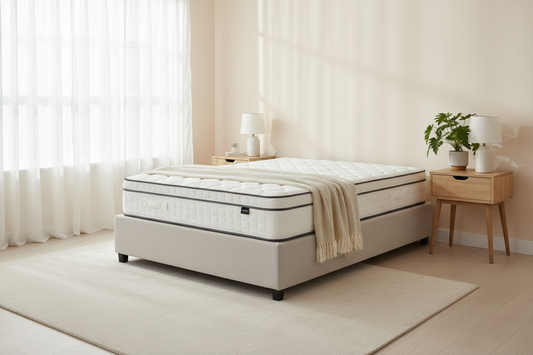
Novera Luxury Pillow Top Mattress
Regular price From £549.00 GBPRegular price£649.00 GBPSale price From £549.00 GBPSale -
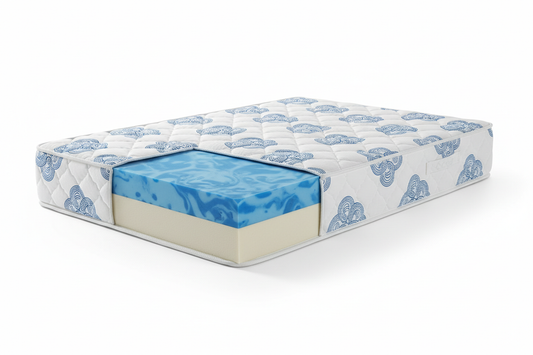
Novera Cool Gel Memory Foam Mattress
Regular price From £299.00 GBPRegular price£399.00 GBPSale price From £299.00 GBPSale -
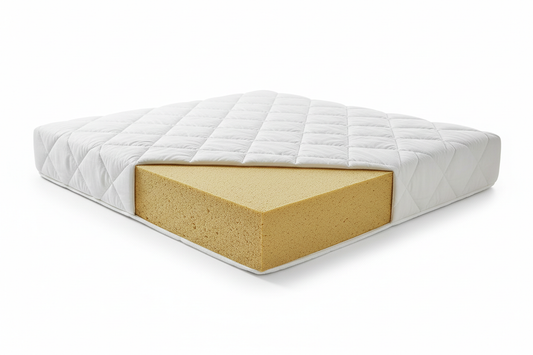
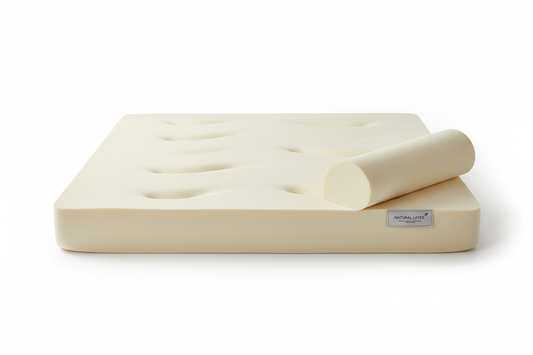
Novera Natural Latex Mattress
Regular price From £699.00 GBPRegular price£799.00 GBPSale price From £699.00 GBPSale -
Novera Orthopaedic Firm Mattress
Regular price From £279.00 GBPRegular price£379.00 GBPSale price From £279.00 GBPSale -
Novera Hybrid Pocket Spring & Memory Foam Mattress
Regular price From £499.00 GBPRegular price£699.00 GBPSale price From £499.00 GBPSale -
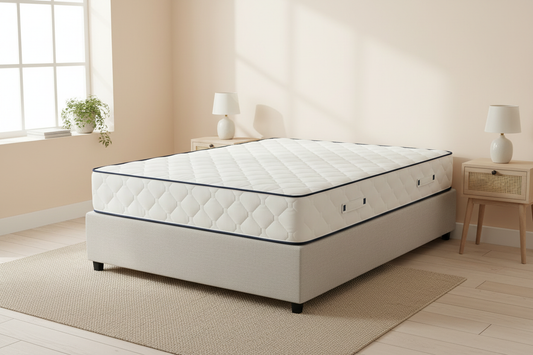
Novera Pocket Spring Mattress
Regular price From £299.00 GBPRegular price£399.00 GBPSale price From £299.00 GBPSale -
Novera Cloud Memory Foam Mattress
Regular price From £249.00 GBPRegular price£349.00 GBPSale price From £249.00 GBPSale -
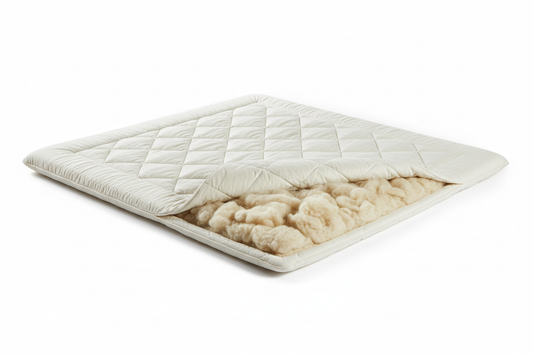
Novera British Wool Mattress Topper
Regular price From £80.00 GBPRegular price -
Novera Natural Latex Mattress Topper
Regular price From £90.00 GBPRegular price -
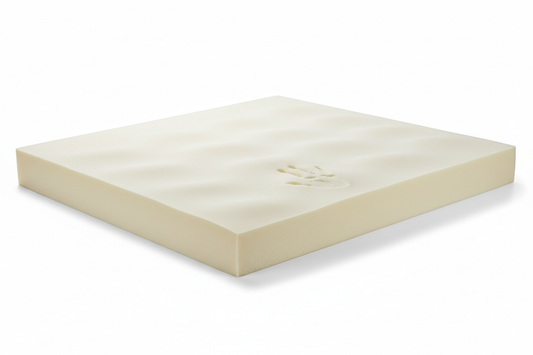
Novera Memory Foam Mattress Topper
Regular price From £89.00 GBPRegular price -
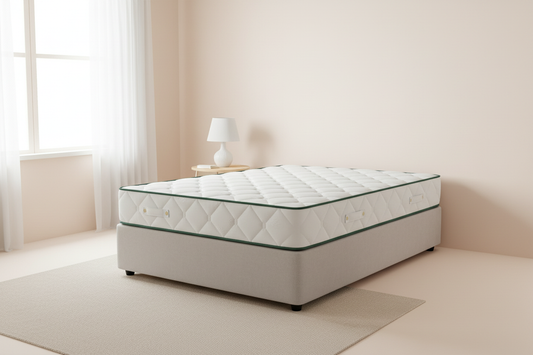
Novera Essential Pocket Sprung Mattress
Regular price From £199.00 GBPRegular price£249.00 GBPSale price From £199.00 GBPSale -
Novera Comfort Hybrid Mattress
Regular price From £299.00 GBPRegular price£399.00 GBPSale price From £299.00 GBPSale -
Novera Premium Hybrid Mattress
Regular price From £399.00 GBPRegular price£499.00 GBPSale price From £399.00 GBPSale -
Novera Firm Support Orthopaedic Mattress
Regular price From £249.00 GBPRegular price£299.00 GBPSale price From £249.00 GBPSale -
Novera Premium Orthopaedic Mattress
Regular price From £349.00 GBPRegular price£449.00 GBPSale price From £349.00 GBPSale
















All Mattresses FAQs
-
Check the mattress type, size, dimensions, depth, firmness, materials and support system. Make sure the measurements match your bed base and consider your sleeping position and preferred comfort level. You should also check the product's delivery, returns, guarantee and care information before ordering.
-
No. The mattress must be the correct size and compatible with the bed's support system. Check the manufacturer's recommendations regarding mattress dimensions, base type and any requirements concerning slats or other support components. Using an incompatible combination can affect how the mattress performs.
-
A mattress protector can provide an additional layer between the sleeper and mattress, helping protect the mattress from everyday spills, marks and general wear. If you use one, choose a protector that is compatible with your mattress and does not interfere with its intended comfort or support characteristics.
-
Always follow the manufacturer's care instructions for your specific mattress. Regularly airing the mattress and using a suitable mattress protector can help maintain freshness. Where appropriate, gently vacuum the surface to remove dust and deal with spills according to the manufacturer's cleaning recommendations. Avoid excessive moisture or unsuitable cleaning products.
-
Look for visible sagging, uneven surfaces, damaged materials or a noticeable reduction in comfort and support. If you regularly wake feeling less comfortable than you used to, it may be worth assessing the condition and age of your mattress. Also consider whether your current mattress still meets your sleeping preferences.
-
A mattress should be replaced when it no longer provides the comfort and support you need or shows noticeable signs of deterioration. Sagging, uneven areas, damaged materials or a significant change in comfort can indicate that it is time to consider a replacement. The useful lifespan varies according to the mattress construction, materials, usage and maintenance.
-
There is no single mattress depth that is right for everyone. Thickness varies according to the mattress construction, materials and support layers. When choosing a mattress, consider the overall height of your bed as well as the depth of the mattress, particularly if you have existing bedding or mobility preferences.
-
Your mattress should match the required size of your bed frame or base. Common UK sizes include Single, Small Double, Double, King Size and Super King Size. Always check the exact mattress dimensions and your bed's specifications before ordering, as a mattress that is incorrectly sized may not fit the base properly.
-
Front sleepers often prefer a mattress that provides a supportive, stable sleeping surface without feeling excessively soft. However, comfort and firmness preferences vary from person to person. Compare the mattress construction, firmness and support characteristics before making your choice.
-
Back sleepers generally benefit from a mattress that provides balanced support while remaining comfortable. The ideal firmness varies between individuals, so consider your preferred sleeping feel, mattress construction and level of support rather than assuming that a particular mattress type is suitable for everyone.
-
Side sleepers often prefer a mattress that provides comfortable cushioning around areas such as the shoulders and hips while maintaining suitable support. Memory foam and hybrid constructions can offer different cushioning and responsiveness, but the best choice depends on individual comfort preferences. Check the mattress firmness and construction before buying.
-
The right firmness is a personal choice influenced by your preferred sleeping position, comfort and support requirements. Some people prefer a softer, more cushioning feel, while others prefer a firmer sleeping surface. Rather than choosing a firmness level based solely on a label, consider the mattress construction and the sleeping experience you prefer.
-
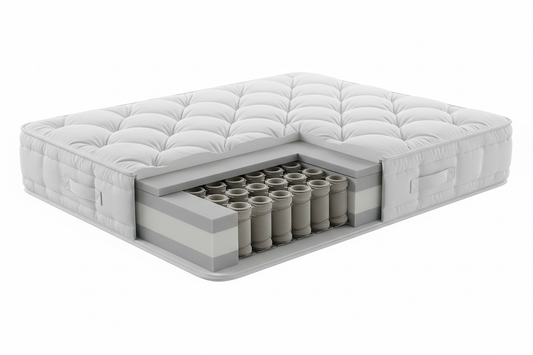
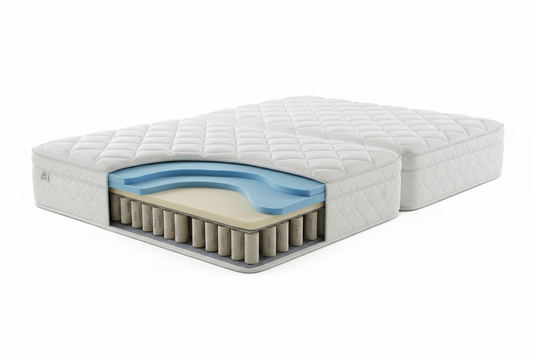
Memory foam mattresses use foam designed to respond to body weight and provide a cushioning feel. Pocket sprung mattresses contain individually encased springs that can respond independently to movement. Hybrid mattresses combine different materials, often incorporating springs with foam or other comfort layers. Always check the individual product specifications because construction varies between mattresses.
-
There isn't one mattress that is best for everyone. Different constructions provide different sleeping experiences. Memory foam can provide a more moulding feel, pocket sprung mattresses offer individually responsive spring support, while hybrid mattresses combine different materials and support systems. Your preferred comfort level and sleeping style should guide your choice.
-
Choose a mattress based on your preferred firmness, sleeping position, body support, mattress size and personal comfort preferences. You can also compare different constructions, such as memory foam, pocket sprung and hybrid mattresses. Before buying, check the mattress dimensions, depth, materials and product specifications to make sure it is suitable for your bed.