
-
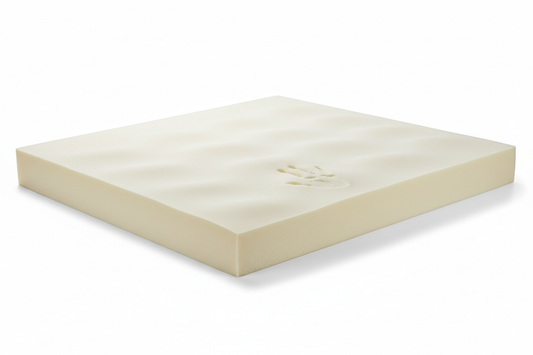
Novera Memory Foam Mattress Topper
Regular price From £89.00 GBPRegular price -
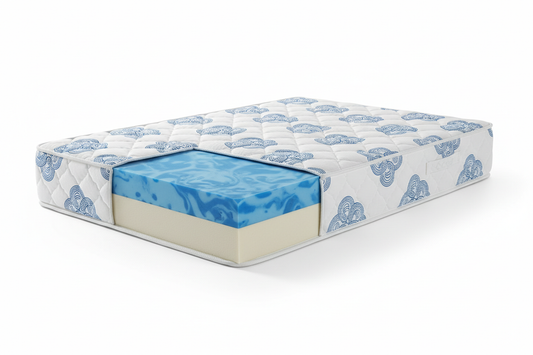
Novera Cool Gel Memory Foam Mattress
Regular price From £299.00 GBPRegular price£399.00 GBPSale price From £299.00 GBPSale -
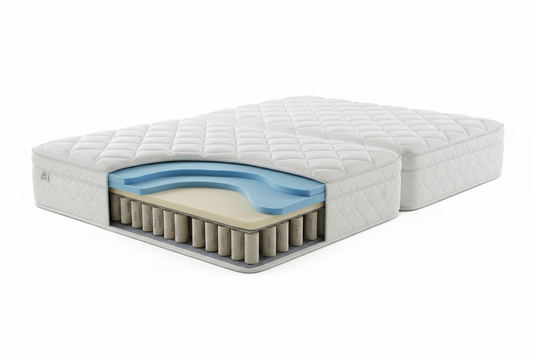
Novera Hybrid Pocket Spring & Memory Foam Mattress
Regular price From £499.00 GBPRegular price£699.00 GBPSale price From £499.00 GBPSale -
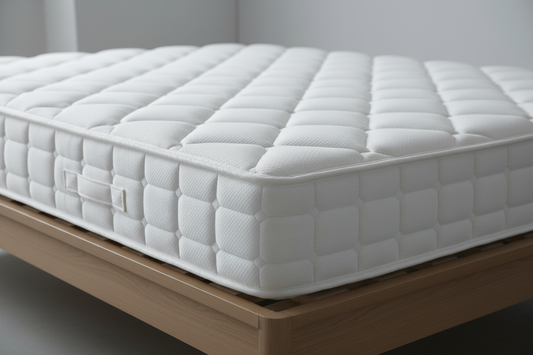
Novera Cloud Memory Foam Mattress
Regular price From £249.00 GBPRegular price£349.00 GBPSale price From £249.00 GBPSale




Memory Foam Mattresses FAQs
-
Consider the firmness, foam construction, mattress depth, size, temperature characteristics and compatibility with your bed base. Also check the product specifications, care instructions, expansion guidance, delivery information, returns policy and guarantee before purchasing.
-
Follow the manufacturer's care instructions and avoid soaking the foam. Using a suitable mattress protector can help protect the surface from everyday spills and marks. Regular airing and appropriate cleaning can also help maintain the mattress.
-
A new mattress can have a temporary odour after being unpacked, sometimes referred to as off-gassing. Novera recommends airing a new mattress in a well-ventilated room for 24–48 hours. Follow the specific ventilation and unpacking instructions supplied with your mattress.
-
Roll-up memory foam mattresses can require time to return to their intended shape after being unpacked. Novera's current FAQ advises allowing 24–72 hours for roll-up mattresses to fully expand and recommends waiting the full 72 hours before sleeping on one. Always follow the instructions supplied with your particular mattress.
-
The mattress must be the correct size and compatible with the bed base. Check the manufacturer's requirements for the support system and any slat-spacing recommendations before placing a memory foam mattress on an existing frame.
-
Memory foam mattresses are available in different firmness levels. The feel depends on the density and configuration of the foam layers as well as the mattress construction. Always check the individual product's firmness description rather than assuming every memory foam mattress feels the same.
-
Temperature feel varies between mattresses and depends on the foam construction, cover, room temperature and bedding. Some memory foam designs incorporate materials or structures intended to improve airflow. Check the individual product specifications if temperature regulation is an important consideration.
-
A memory foam mattress can be suitable for side sleepers who prefer a cushioning feel around areas such as the shoulders and hips. However, the right choice depends on the mattress firmness, foam construction and your personal comfort preferences.
-
Memory foam can provide a cushioning, body-contouring feel and may help reduce the transfer of movement across the mattress. Different memory foam mattresses use different densities, thicknesses and supporting layers, so the overall comfort experience can vary considerably.
-
A memory foam mattress uses foam within its comfort or support layers that responds to body heat, weight and pressure. Depending on its construction, memory foam can provide a more contouring and cushioning feel than traditional spring mattresses.